How Do I Reset My Nervous System?
Everyone has different ways to help them reset their nervous system, and not everyone’s method is the same. In fact, depending on the day, you might have totally different needs.
Some days your system might need movement. Other days it needs stillness. Sometimes you need connection. Sometimes you need space.
There are the obvious ways to help regulate yourself. Breathwork, walking in nature, long oxytocin-filled hugs, cuddling your pet. There are so many options, and they can all work beautifully. These tools help signal safety to the body and can gently shift you out of stress.
But sometimes those things are not quite enough. Especially if your nervous system has been stuck in survival mode for a long time.
This is where somatic tools come in.
And one of the simplest and most powerful of those tools is EFT tapping.
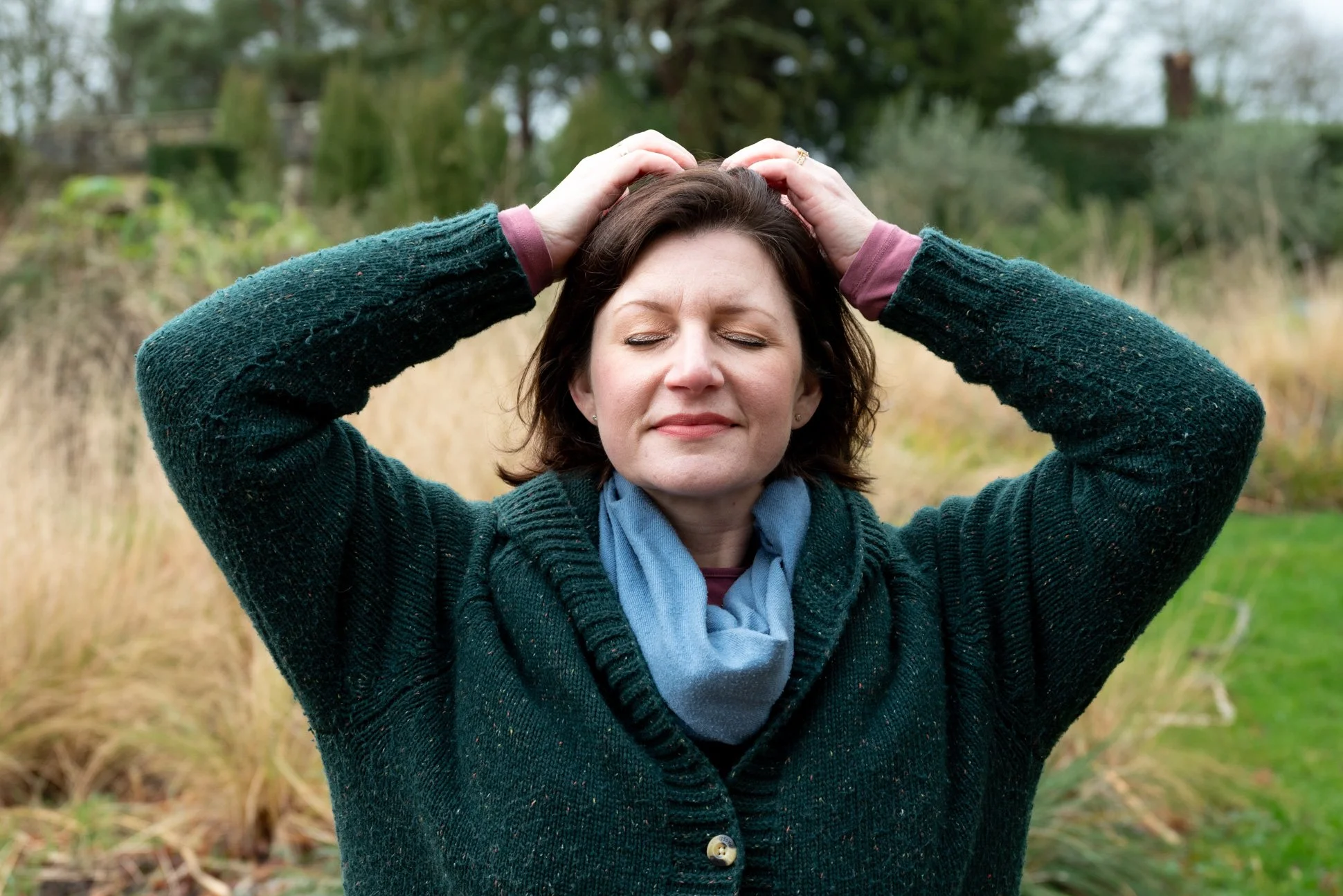

What Does It Mean to Reset Your Nervous System
When people search how to reset my nervous system, they are usually feeling overwhelmed, anxious, wired, shut down, or emotionally reactive.
This often means the body is spending too much time in the stress response.
Your autonomic nervous system has two main branches.
The sympathetic nervous system is responsible for fight or flight. This is your survival mode. It is helpful in danger but exhausting when it becomes your normal state.
The parasympathetic nervous system is responsible for rest, digestion, healing, and emotional regulation. This is where you feel calm, present, and able to cope.
Resetting your nervous system means helping your body shift out of chronic stress and back into a state where it feels safe enough to relax.
Signs Your Nervous System May Be Dysregulated
Many people do not realise their nervous system is stuck in survival mode. Some common signs include:
Feeling on edge or easily startled
Shallow or tight breathing
Trouble sleeping or waking in the night
Digestive issues
Muscle tension or jaw clenching
Emotional overreactions that feel bigger than the situation
Feeling numb, flat, or shut down
These are not personal flaws. They are signs your body has been working very hard to protect you.
Quick Ways to Calm Your Nervous System in the Moment
Many nervous system regulation techniques can help you come back to calm, especially in the moment.
Slow breathing with longer exhales
Gentle movement like walking or stretching
Spending time in nature
Warmth such as a bath or cosy blanket
Safe physical touch like hugs or holding a pet
Soothing sensory input like calming music or soft lighting
These tools help activate the parasympathetic nervous system and tell the body that right now, in this moment, you are safe.
They are wonderful foundations. And sometimes we also need something that works more directly with the emotional charge stored in the body.
Why Understanding Your Stress Does Not Always Calm Your Body
Many people understand why they feel anxious or overwhelmed. They may have talked about their past, their triggers, and their patterns in great detail.
Insight is powerful. But insight alone does not always reset the nervous system.
The body responds to felt safety, not just logical understanding.
You can know you are safe and still feel anxious. You can understand your trauma and still have a racing heart or tight chest.
This is where somatic techniques for anxiety and stress become so important. They work with the body as well as the mind.
EFT tapping is one of these approaches.
A Somatic Technique That Helps Reset the Nervous System: EFT Tapping
You may have heard of EFT tapping and thought it looks a bit strange. That is a very normal first reaction. And it also does some truly remarkable things when it comes to calming the stress response.
Emotional Freedom Technique sits within the field of energy psychology and has been studied for its effects on stress, anxiety, and nervous system regulation.
EFT combines gentle tapping on acupressure points with focusing on a specific feeling, memory, or stressor. This pairing of physical stimulation and emotional awareness helps the brain and body update how safe something feels.
In simple terms, you are teaching your nervous system that a trigger or memory is no longer dangerous.
How EFT Helps Regulate the Nervous System
It uses gentle stimulation of acupoints that send calming signals through the body
It reduces the intensity of the stress response while you think about a problem
It helps the brain relearn that certain thoughts or memories are not immediate threats
It supports the shift from fight or flight into a more regulated state
Over time this can mean fewer intense reactions, more emotional resilience, and a nervous system that recovers more quickly from stress.
Different Ways to Do EFT and Their Effectiveness
Not all tapping experiences are equal. The level of personalisation and support makes a big difference in how deeply the nervous system can reset.
Here are some of the main ways to practise EFT, from least to most effective.
YouTube or App-Based Tapping
These are guided videos or audio sessions for general topics like anxiety or sleep. They are a great introduction and can bring temporary relief. However, they are generic and cannot speak to your specific memories, beliefs, and emotions. Specificity is one of the keys to effective EFT. If you’ve tried this method and it’s not felt helpful, I invite you to try another way.
Small Group EFT Sessions or Workshops
Group tapping sessions online or in person can help you feel calmer and more grounded. There is power in shared experience and being guided live. These sessions can help with regulation and learning the process, though they are usually not the place for deep or highly personal issues.
Structured Self-Guided EFT Programmes
Courses, workshops, or step-by-step programmes can help you build confidence using EFT on your own. These can be very supportive if you are consistent and willing to explore your emotions honestly.
Practitioner Led EFT Sessions
Working one-to-one with a qualified practitioner is the most effective way to use EFT for nervous system regulation and deeper emotional healing. A practitioner helps you get specific about what is really driving your stress response, scripts the wording to you, and keeps you within a safe emotional range so your system can process rather than overwhelm.
Over time, this kind of work does not just calm you in the moment. It helps retrain your nervous system’s response to old triggers.
My one caveat in working with a practitioner is to find someone you genuinely feel comfortable with. Feeling safe with the person guiding you is part of what helps your nervous system relax. I had a turbulent start with EFT myself and nearly wrote it off before finding the right practitioner for me. The connection made all the difference. Utilise a practitioner’s offer for a discovery call or chat before booking so you can really decide if they are the right fit for you.
Who Is EFT Helpful For
People who experience almost anything they know isn’t quite right for them could benefit from EFT. Here are some common concerns or patterns that people often come to a session with.
Anxiety or constant worry
Feeling stuck in fight or flight
Emotional triggers that feel out of proportion
Chronic stress or burnout
Difficulty relaxing even when things are going well
Old memories that still carry a strong emotional charge
Relationship struggles with a family member
Physical pain
Identity changes or big life transitions (like having a baby)
It is a gentle way to work with the body and emotions together.
Frequently Asked Questions About Resetting the Nervous System
-
Yes. Breathwork, movement, connection, and somatic tools like EFT can all support your body in moving out of survival mode and back into balance.
-
Yes. EFT is widely used to reduce anxiety by lowering the intensity of the stress response and helping the body feel safer.
-
Regulation is usually a gradual process, especially if you have been stressed for a long time. However, many people feel noticeable shifts in calm even after a single EFT session.
-
Because the nervous system responds to felt safety, not just insight. Somatic approaches like EFT work directly with the body to help update those deeper responses.
-
You tap on your own body with EFT, and there is typically no physical intervention from the practitioner. As long as you have a safe space to talk with your computer, an online session works great. It also gives you access to almost any practitioner in the world that you connect with.
Ready to Try EFT for Nervous System Regulation
If you are curious about how tapping could help you feel calmer, more grounded, and less reactive, working with a trained practitioner can make the process much more effective and supportive.
You do not have to stay stuck in survival mode. Your nervous system can learn a new way of being.
Find out more about EFT tapping here.
