What Is Matrescence?
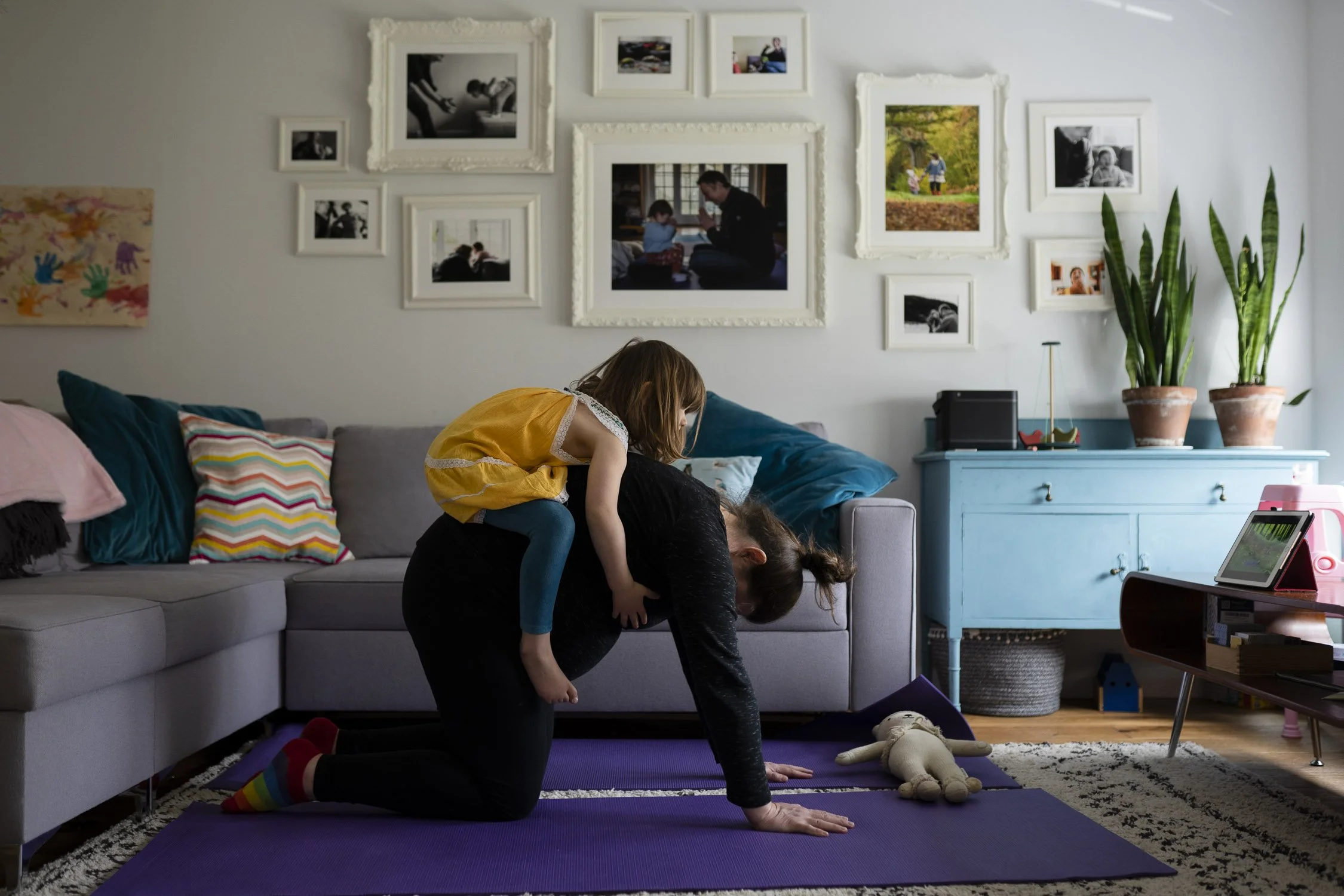
Matrescence. The transformation no one talks about.
But what does that word even mean?
I have been a parent for almost a decade now, and until a few years ago, I had never even heard it.
Somehow, I had made it through pregnancy, birth, sleepless nights, identity loss, overwhelm, and all the invisible emotional earthquakes that came with becoming a mother without anyone ever giving a name to what was happening.
When I first came across the word, I felt both relieved and annoyed.
Relieved because I finally had language for an experience that had been shaping me almost without my consent.
Annoyed because nobody had told me about it sooner.
What Is Matrescence?
Matrescence is the transition into motherhood.
It describes the physical, emotional, psychological, social, and spiritual changes that occur when a woman becomes a mother.
Much like adolescence marks the transition from child to adult, matrescence marks the transition into motherhood.
The problem is that while most of us expect adolescence to be messy, emotional, and transformative, very few people prepare women for the reality of matrescence.
Instead, many of us are handed a baby and expected to carry on.
The Motherhood I Expected
If I am honest, becoming a mother was not something I had spent years dreaming about.
It was not a path I had carefully planned or mapped out.
Because of that, I do not think I had really considered what the transition would involve.
Somewhere along the way, I had absorbed the idea that you have a baby, life gets a little chaotic for a while, and then eventually things return to normal.
Your old life comes back. Your old routines come back. Your old identity comes back. You just have a baby in tow.
I even remember hearing variations of that message while I was pregnant.
Life changes, sure.
But not that much.
Looking back, I cringe at how little I understood about what was coming.
The Part No One Talks About
The hardest part was not the sleepless nights. Although that nearly killed me.
It was not the breastfeeding. Although that also nearly killed me.
It was not trying to keep up with laundry or meals or all the practical realities of caring for a tiny human.
The hardest part was feeling like I had disappeared.
No one casually mentioned that I might lose my sense of self.
No one told me I might feel isolated even when surrounded by elements of my life before birth.
No one explained that I could deeply love my child while simultaneously grieving my old life.
No one said, "This might completely undo you for a while."
And because nobody talked about it, I assumed the problem was me.
I looked around at other mothers and thought they seemed fine.
Everyone else appeared to have it together. They had their pretty pedicure, the holiday booked, the fancy baby gear and even the occasional date night sorted out.
Everyone else seemed capable, organised, and confident.
Meanwhile, I felt like a pot of goo. The deconstructed interior of a chrysalis that is no longer a caterpillar and not yet a butterfly. Gross, right?
I was emotionally stretched beyond recognition.
Completely untethered from the person I used to be.
The Day I Realised Something Had Changed
I remember walking through my neighbourhood after my baby was born.
It was a route I had walked hundreds of times before.
The same streets. The same houses. The same trees.
But everything felt different.
Not because the neighbourhood had changed.
Because I had.
I remember feeling a strange sense of unfamiliarity.
Being alone suddenly felt foreign, yet it was also all I wanted.
Just a few minutes where nobody needed anything from me.
A few minutes where I could hear my own thoughts again.
At the time, I could not explain what I was experiencing.
I had no language for it. I don’t think I ever even mentioned that moment to anyone.
I did not understand that I was moving through one of the most profound transitions a human being can experience.
There Is No Going Back
One of the things that frustrates me most about the conversation around motherhood is the expectation that women should "bounce back."
Bounce back to what, exactly?
The truth is, there is no back.
Motherhood changes you. And not just your pelvic floor. Or your physical body. Or your hormones.
It changes your identity.
Your priorities.
Your relationships.
Your understanding of yourself.
Your capacity for love.
Your capacity for exhaustion.
Your relationship with freedom.
Your relationship with time.
Your relationship with your own needs.
And it is not a small adjustment.
It is a complete collapse and restructuring.
And while that transformation can be beautiful, it can also be deeply disorienting.
Why Language Matters
A few years ago, I read Matrescence by Lucy Jones.
It was one of the first times I felt truly seen in my experience of motherhood.
As I turned the pages, I recognised so much of myself.
The isolation.
The confusion.
The grief.
The love.
The identity shifts.
The feeling that everything had changed, while nobody seemed willing to acknowledge it.
For the first time, I realised there was nothing wrong with me.
I was not failing.
I was transforming.
And that distinction makes such a big difference.
Because when we can name an experience, we stop feeling so alone inside it.
We stop assuming we are broken.
We stop believing we should be handling it better.
If This Is You
Maybe your experience of motherhood was gentle.
Maybe you stepped into it with ease and confidence.
If so, I genuinely celebrate that.
But if motherhood felt harder than you expected, if you found yourself questioning who you were, if you felt lost, isolated, overwhelmed, or unlike yourself for a while (possibly a long while), I want you to know something.
You are not alone.
You are not weak.
You are not failing.
You are moving through a transformation that our culture still struggles to acknowledge.
Motherhood was never meant to leave us untouched.
It changes everything.
And perhaps part of healing is allowing ourselves to speak honestly about that change.
Not to fix it.
Not to rush through it.
But to honour it.
Because when we honour the transformation, we create space to become who we are now, instead of spending years trying to return to who we used to be.
Support for Your Motherhood Journey
If you are navigating the challenges of matrescence, motherhood overwhelm, identity loss, guilt, burnout, or simply feeling disconnected from yourself, EFT Tapping can help you process the emotions beneath the surface and reconnect with who you are becoming.
You do not have to navigate this transformation alone.
Book a Discovery Call or learn more about how EFT can support you through the many transitions of motherhood.
