The Science Behind EFT Tapping: Why It Works at a Biological Level

Research-backed. Clinically studied. Shown to influence stress, emotional wellbeing and physiological responses.
EFT (Emotional Freedom Techniques), also known as tapping, is a clinically researched mind body approach that combines emotional focus with gentle acupressure stimulation.
For many people, emotional patterns can feel frustratingly difficult to change. We can understand something intellectually, know where it comes from, and still find ourselves reacting in the same way.
This is because our experiences are not held only in our thoughts. They are also connected to our nervous system, our emotions and the way our body responds to the world around us.
EFT works with this mind body connection. By bringing attention to what is happening internally while using tapping techniques, we can begin to reduce the intensity attached to stressful thoughts, emotions and experiences.
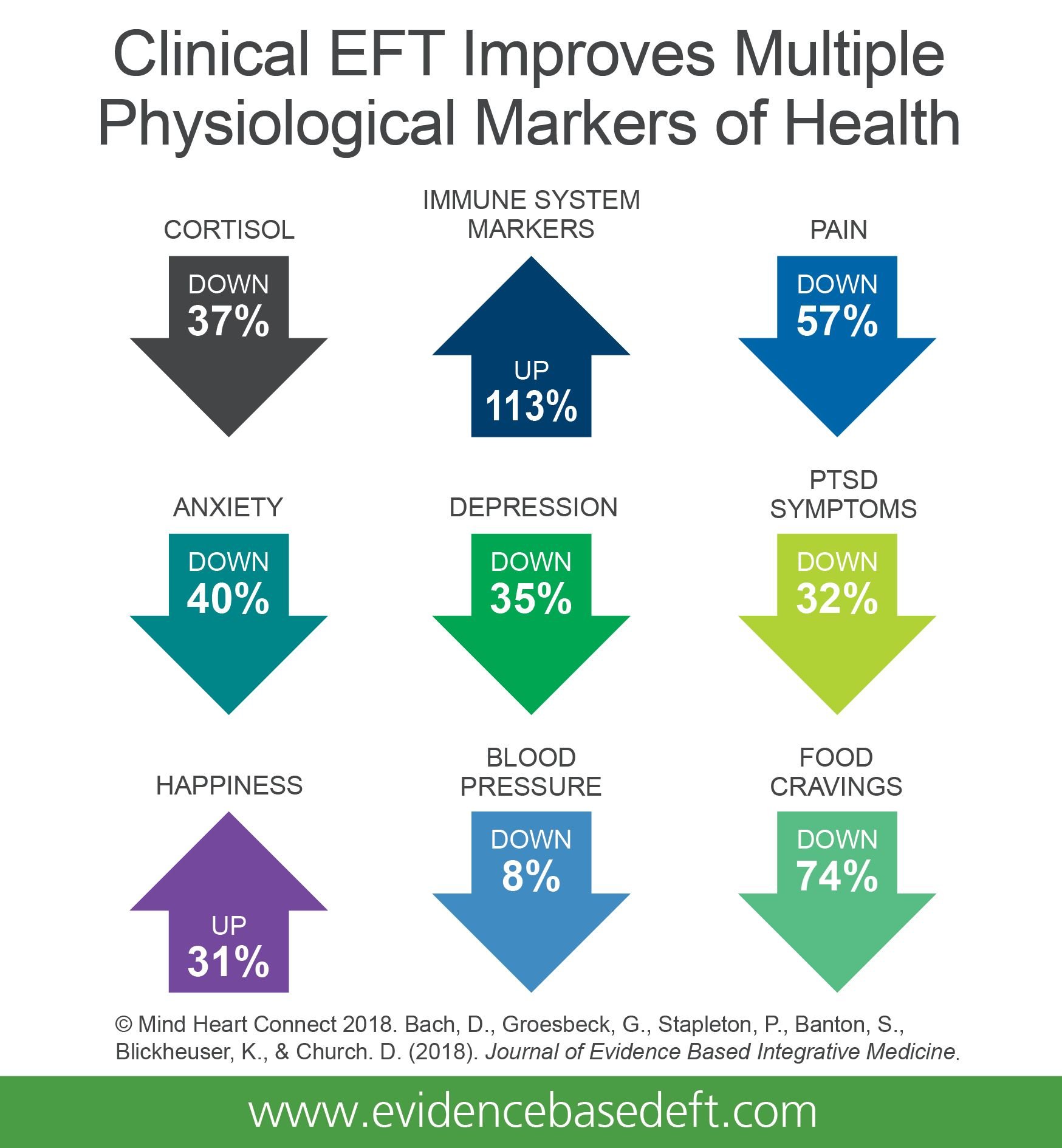
A growing body of peer reviewed research demonstrates that EFT can influence measurable outcomes including cortisol levels, emotional wellbeing and symptoms associated with stress, anxiety, trauma and pain.
This is not about ignoring emotions or simply thinking positively. EFT gives us a practical way to work with the biology of stress and the patterns that shape how we experience life.
How Tapping Influences Your Body's Stress Response
When we experience stress, fear or emotional overwhelm, our nervous system responds by trying to protect us. These responses are incredibly useful when we need them, but sometimes the body can continue carrying a level of protection long after the original situation has passed.
This is why we can find ourselves overthinking, feeling overwhelmed, reacting strongly to situations, or repeating patterns we consciously want to change.
EFT works by combining focused attention with physical stimulation of acupressure points. Research suggests this combination can help calm the body's stress response and support emotional regulation.
Helping regulate stress hormones
One of the strongest areas of EFT research looks at cortisol, a hormone involved in the body's stress response.
Clinical studies have demonstrated significant reductions in cortisol following EFT sessions, suggesting that tapping can create measurable changes in the body's stress response.
For people living with ongoing stress, burnout or emotional overload, this matters because lasting change often begins when the nervous system feels safe enough to step out of survival mode.
Reducing emotional intensity
Many people come to EFT because they feel stuck in patterns they understand but cannot seem to shift.
EFT does not require you to force yourself to think differently or "get over" something. Instead, it helps you work with the emotional charge attached to thoughts, memories and experiences.
Research into clinical EFT has demonstrated improvements across areas including anxiety, depression, PTSD symptoms, pain and overall wellbeing.
Creating space for new responses
When the nervous system is constantly responding to perceived threats, it can be difficult to access clarity, creativity and choice.
By reducing the intensity of stress responses, EFT can create space for new perspectives and healthier ways of responding.
This is where many people experience the shift. Not because the past disappears, but because it no longer has the same power over the present.
Clinical Applications:
From Scientific Research to Real Life
The research behind EFT continues to grow, with studies exploring its impact across emotional wellbeing, stress, trauma symptoms and physical health.
The areas below reflect many of the challenges people bring into EFT sessions: feeling overwhelmed, navigating change, carrying old patterns, struggling with confidence, or wanting to reconnect with themselves.
Stress, Overwhelm and Life Transitions
Life changes can place a significant demand on our nervous system. Whether you are navigating burnout, becoming a parent, changing direction, dealing with uncertainty or simply feeling like life has become too much, the body often responds before we have consciously processed what is happening.
Research has shown that EFT can reduce cortisol levels and support regulation of the stress response.
For many people, this creates the foundation for deeper emotional work. When the nervous system is calmer, we have greater access to perspective, self compassion and the ability to make choices from a place of intention rather than reaction.
Physical Wellbeing and Pain
We are increasingly understanding that emotional wellbeing and physical health are deeply connected.
Stress does not only exist in our minds. It affects our entire system, including how we experience physical sensations and discomfort.
Research has explored EFT as an approach for chronic pain, with clinical trials demonstrating improvements in pain severity and the impact pain has on daily life.
EFT is not a replacement for medical care, but it can be a valuable complementary approach for supporting the relationship between emotions, the nervous system and physical wellbeing.
Identity, Self Worth and Internal Patterns
Many of the challenges people bring to EFT are connected to patterns that have developed over time.
Perhaps you know you are capable, but something inside still doubts you. Perhaps you understand your behaviour logically, but the same fears or reactions continue to appear.
These patterns are often connected to past experiences and the ways our nervous system learned to protect us.
Research suggests EFT can reduce the emotional intensity associated with distressing experiences, helping people create space for new perspectives, beliefs and choices.
Grief, Fear and Survival Responses
Grief, uncertainty and experiences of loss can leave a lasting imprint on the nervous system.
EFT provides a structured way to acknowledge difficult emotions while supporting regulation and resilience.
Rather than pushing emotions away, tapping allows us to gently work with what is present, reducing the intensity that can keep us feeling stuck.
Explore the Research Behind EFT
Research has explored how EFT influences the body's stress response, including measurable changes in cortisol levels.
A systematic review examining the wider evidence base for EFT across psychological and physiological conditions.
Clinical trials have investigated EFT as a complementary approach for chronic pain and physical symptoms.
EFT is a complementary wellbeing approach and is not intended to replace medical or psychological treatment. If you are experiencing a health concern, please seek support from an appropriately qualified healthcare professional.